


Mastering the Market: An In-Depth Analysis of Chart Crypto Trading
In the ever-evolving world of cryptocurrency, understanding how to interpret charts and data is essential for traders. The practice of chart crypto trading https://site.financialmodelingprep.com/financial-summary/ACEV is not just about prediction; it’s about making informed decisions based on visual data representations. This guide will explore various aspects of chart crypto trading, helping traders develop the skills necessary to navigate the market effectively.
Understanding the Basics of Crypto Charts
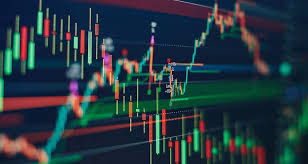
At its core, crypto trading charts display price movements over time. These charts can be configured to show different time frames, from minutes to days to months. Most cryptocurrencies are traded on various exchanges that provide these charts for free, making data readily accessible. Traders must familiarize themselves with the types of charts available, such as line charts, candlestick charts, and bar charts, each visualizing data differently.
Line Charts
Line charts are the simplest form of visualizing price data. They connect a series of data points with a continuous line, representing the closing price over a specified timeframe. This type of chart is beneficial for identifying long-term trends but lacks detailed information about price fluctuations within the period.
Candlestick Charts
Candlestick charts provide a more comprehensive view of price movements. Each candlestick represents a specific time period, showing the open, high, low, and close prices. The body of the candlestick indicates the price range between the opening and closing prices, while the wicks or shadows show the high and low prices for that period. Understanding candlestick patterns is crucial for predicting future price movements.
Bar Charts
Similar to candlestick charts, bar charts display open, high, low, and close prices. They present this information in a vertical bar format, where each bar represents a specific timeframe. Traders might prefer bar charts for their simplicity and ease of comprehension.
Technical Analysis in Crypto Trading
Technical analysis refers to evaluating price movements using historical data. Traders use various indicators and tools to analyze charts, aiming to predict future price movements. Some of the most common tools include:
Moving Averages

Moving averages smooth out price data, helping to identify trends more clearly. The two most common types are the simple moving average (SMA) and the exponential moving average (EMA). Traders often use these indicators to spot potential entry and exit points.
Relative Strength Index (RSI)
The RSI is a momentum oscillator that measures the speed and change of price movements. It ranges from 0 to 100, typically indicating overbought conditions above 70 and oversold conditions below 30. Traders use the RSI to identify potential reversal points in the market.
Bollinger Bands
Bollinger Bands consist of three lines that represent price volatility. The middle line is the moving average, while the upper and lower bands indicate price deviations. When the price moves close to the upper band, it may signal overbought conditions, while proximity to the lower band can indicate oversold conditions.
Chart Patterns and Their Significance
Recognizing chart patterns can greatly enhance a trader’s ability to predict future price movements. Patterns typically fall into two categories: continuation and reversal patterns.
Continuation Patterns
Continuation patterns suggest that the current trend will continue. Some of the most common continuation patterns include:
- Triangles: These can be ascending, descending, or symmetrical. Triangles indicate periods of consolidation before a breakout.
- Flags and Pennants: These short-term continuation patterns indicate a pause before the previous trend resumes.
Reversal Patterns
Reversal patterns indicate a potential change in trend direction. Recognized patterns include:
- Head and Shoulders: This pattern signifies a reversal from bullish to bearish.
- Double Tops and Bottoms: These patterns indicate a shift in market sentiment, with double tops suggesting a bearish reversal and double bottoms indicating a bullish reversal.
Risk Management in Chart Crypto Trading
No trading strategy is complete without a robust risk management plan. Successful traders often adhere to specific guidelines to protect their capital:
Setting Stop-Loss Orders
Stop-loss orders are vital for limiting potential losses. By establishing a stop-loss order, traders can set a predetermined price at which their position will close, minimizing losses if the market moves against them.
Diversification
Diversifying a portfolio across multiple cryptocurrencies can reduce risk. Instead of putting all funds into one asset, a diversified approach allows traders to spread risk, potentially increasing overall returns.
Position Sizing
Traders should determine the size of their positions based on their risk tolerance and the volatility of the assets traded. Proper position sizing ensures that no single trade can significantly impact the overall portfolio.
The Role of Market Sentiment
Market sentiment plays a crucial role in trading. Traders must be aware of news, developments, and social media trends influencing buyer and seller behaviors. Tools that aggregate sentiment analysis can provide insights into how traders feel about specific cryptocurrencies, helping to adjust strategies accordingly.
Leveraging Technology in Chart Crypto Trading
With advancements in technology, traders can automate their strategies through algorithmic trading and bots. These tools can execute trades based on pre-defined parameters, allowing traders to operate without constant monitoring of the market.
Trading Platforms
Many platforms provide advanced charting tools and capabilities. Some well-known platforms include TradingView, Binance, and Coinbase Pro. Each platform offers various features tailored to meet the needs of different traders.
Conclusion
Chart crypto trading is a complex but rewarding endeavor. By mastering the fundamentals of chart analysis, technical indicators, and risk management, traders can equip themselves with the skills needed to navigate the unpredictable waters of the cryptocurrency market. As technology continues to evolve, staying updated on new tools and strategies will be essential for anyone serious about trading crypto. Always remember that while charts can provide valuable insights, they do not guarantee success. Continuous learning and adaptation are key components to thriving in this dynamic environment.