


The Forex market is one of the largest and most liquid markets in the world, offering traders the opportunity to exchange currencies 24 hours a day. Whether you are a seasoned investor or just getting started, understanding the dynamics of Forex trading is essential for success. In this article, we will delve into various strategies, tips, and insights to help you navigate the Forex market effectively. If you’re looking for a reliable trading platform, consider checking out trading forex Trading Broker ID for your trading needs.
Forex trading involves buying one currency while simultaneously selling another, effectively trading currency pairs. The market operates through a network of banks, brokers, and financial institutions. Some of the major currency pairs include EUR/USD, USD/JPY, and GBP/USD, among others. Understanding how to read these pairs and their price movements is crucial for any trader.
The Basics of Forex Trading
Before diving into strategies, it is essential to grasp the basic concepts of Forex trading. The key terms include:
- Pip: The smallest price move that a currency pair can make, usually in the fourth decimal point.
- Leverage: A financial tool allowing traders to control larger positions with a smaller amount of capital.
- Lot: A standard unit of measurement for a trade, typically 100,000 units of the base currency.
- Spread: The difference between the buy and sell price of a currency pair.
Choosing a Trading Strategy
Developing a trading strategy is critical for long-term success. Here are a few popular strategies that traders often employ:
Scalping
Scalping involves making multiple trades throughout the day to capitalize on small price movements. Traders typically hold positions for seconds to minutes, requiring quick decision-making and a strict exit strategy.
Day Trading
Day traders open and close positions within the same trading day. This strategy avoids overnight risk, allowing traders to react to market changes in real-time.
Swing Trading
Swing trading involves holding positions for several days or weeks. This strategy allows traders to benefit from short- to medium-term price movements, making it suitable for those who cannot monitor the market throughout the day.
Position Trading
Position trading is a longer-term approach where traders hold positions for months or even years. This strategy relies on fundamental analysis and major economic indicators that influence currency values.
Technical and Fundamental Analysis
Traders often use two primary forms of market analysis: technical and fundamental analysis.
Technical Analysis
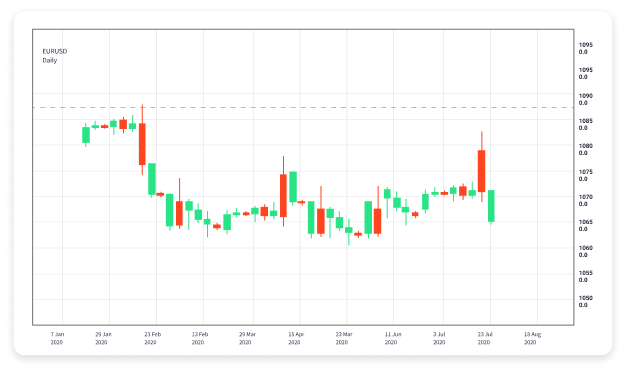
This method involves using historical price data and chart patterns to forecast future price movements. Popular tools include moving averages, trend lines, and various technical indicators like the Relative Strength Index (RSI) and MACD (Moving Average Convergence Divergence).
Fundamental Analysis
Fundamental analysis focuses on economic indicators such as interest rates, inflation, and employment reports. Traders consider how these factors affect the value of currencies to make informed trading decisions.
Risk Management in Forex Trading
Successful trading is not just about finding opportunities but also about managing risk. Here are some essential risk management strategies:
- Set Stop-Loss Orders: A stop-loss order automatically closes a position at a predetermined price, limiting potential losses.
- Use Proper Position Sizing: Determining the right size for a trade based on your risk tolerance and account balance helps manage risk efficiently.
- Never Risk More Than You Can Afford to Lose: Establish a risk-reward ratio and adhere to it strictly to avoid significant losses.
- Diversify Your Portfolio: Diversifying your trades across various currency pairs and strategies can help mitigate risk.
Finding a Reliable Forex Broker
Choosing a reputable Forex broker is crucial for a positive trading experience. Look for brokers regulated by authorities such as the Financial Conduct Authority (FCA) or the Commodity Futures Trading Commission (CFTC). Assess the broker’s trading platform, available currency pairs, spreads, fees, and customer support to make an informed decision.
Keeping Emotions in Check
Trading can invoke strong emotions that may cloud judgment. It’s essential to cultivate emotional discipline and stick to your trading plan, regardless of market fluctuations. Consider implementing techniques such as mindfulness and regular breaks to maintain a focused mindset.
Continuing Education and Practice
The Forex market is constantly evolving, making continuous education vital for success. Engage in online courses, webinars, and trading forums to enhance your knowledge. Additionally, practice trading on demo accounts to refine your skills without financial risk.
Conclusion
Mastering Forex trading requires a comprehensive understanding of strategies, analysis methods, and risk management techniques. By investing time in education, maintaining emotional discipline, and choosing the right broker, traders can navigate the Forex market confidently. Remember that success does not come overnight; it requires continuous learning and adaptation to changing market conditions. Whether you are just starting your Forex journey or looking to refine your approach, the right strategies and tools will undoubtedly aid you in achieving your trading goals.